How I Turned Luxury Buys Into Smart Investments Without the Risk
What if your luxury purchase didn’t just feel good—but actually worked for you? I used to see designer bags, watches, or high-end sneakers as pure expenses. Then I discovered how to optimize their value. Through timing, resale platforms, and smart buying habits, I’ve turned personal splurges into strategic moves. It’s not about getting rich—it’s about losing less and gaining more control. This is how I upgraded my spending—and my returns.
The Hidden Truth Behind Luxury Spending
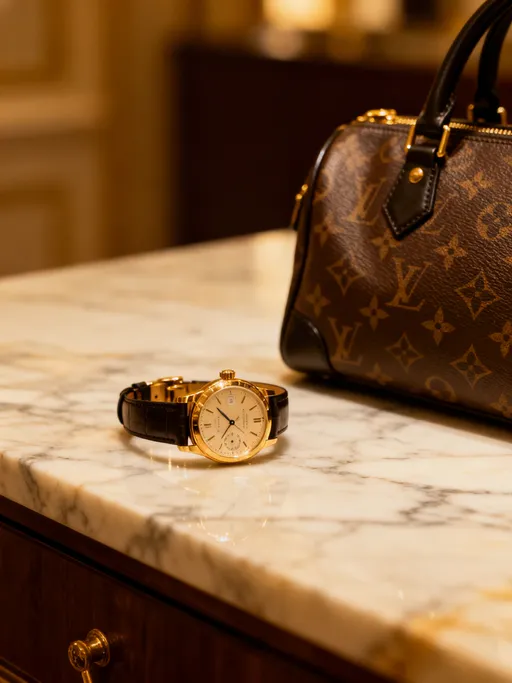
Luxury purchases are often dismissed as emotional indulgences with no financial upside. The common belief is that the moment you walk out of a boutique, your new designer handbag, watch, or jacket loses value—sometimes up to 30% or more. While this holds true for many items, it overlooks a growing reality: certain luxury goods do not behave like ordinary consumer products. Instead, they operate within a secondary market where demand, rarity, and condition determine long-term worth. Unlike fast fashion, which degrades quickly in quality and appeal, or electronics that become obsolete within a few years, select high-end items maintain—or even increase—their value over time.
The key distinction lies in how we define 'luxury' and what purpose it serves. When approached purely as a status symbol or fleeting trend, luxury spending often leads to financial regret. But when viewed through a more strategic lens, it can represent a form of value preservation. Heritage brands such as Hermès, Rolex, and Chanel have cultivated decades of brand equity, craftsmanship consistency, and controlled supply chains that support lasting demand. These factors create conditions where ownership is not just consumption—it’s participation in a global market shaped by collectors, connoisseurs, and savvy resellers.
Yet most consumers remain unaware of this dynamic. They buy without considering resale potential, wear items without preserving condition, and sell impulsively during life transitions. The result? Lost opportunity. A handbag purchased for $5,000 might fetch only $1,800 on the secondhand market if sold at the wrong time or through the wrong channel. But with better knowledge, that same item could retain 70% or more of its original value—or even appreciate. The shift begins with changing our mindset: from seeing luxury as pure expense to recognizing its potential as a tangible asset with measurable return on investment.
What Makes a Luxury Item Resalable?
Not every designer label or high-priced item holds its value in the resale market. A $2,000 coat from a trendy brand may be nearly worthless within two seasons, while a classic trench from a heritage brand like Burberry maintains strong demand year after year. The difference lies in a combination of factors that determine whether a luxury item becomes a collectible or simply fades into obscurity. Understanding these criteria helps buyers make informed choices that align with both personal taste and financial prudence.
First, brand consistency plays a crucial role. Brands that maintain strict quality control, recognizable design signatures, and limited production runs tend to perform best in the resale market. For example, Hermès Birkin and Kelly bags are known for their meticulous craftsmanship, use of premium leathers, and years-long waiting lists—factors that contribute to sustained desirability. Similarly, Rolex watches benefit from decades of engineering excellence, brand prestige, and controlled distribution, allowing certain models like the Submariner or Daytona to command prices far above retail on the secondary market.
Second, scarcity and cultural relevance influence resale performance. Limited edition releases, seasonal exclusives, and collaborations with influential designers or artists often generate immediate buzz and long-term collector interest. The Nike x Off-White 'The Ten' sneaker collection, for instance, became a cultural phenomenon, with pairs originally priced under $200 reselling for thousands within months. However, not all limited items gain value—only those tied to broader cultural movements or iconic status achieve lasting appreciation.
Condition is another non-negotiable factor. A pristine item can sell for double—or more—than one showing signs of wear. This includes everything from surface scratches and discoloration to missing dust bags or authenticity cards. Buyers who treat their purchases as investments take care to store them properly, rotate usage, and avoid exposure to sunlight, moisture, or extreme temperatures. Even small details matter: a watch with full service history, original box, and papers will always command a premium over an identical model without documentation.
Timing: When to Buy (and When to Wait)
One of the most overlooked aspects of luxury spending is timing. Many people assume that buying at full price is the only option, but strategic buyers know that patience often pays off. Just like stocks or real estate, luxury goods follow market cycles influenced by product launches, fashion seasons, and consumer behavior. Recognizing these patterns allows buyers to avoid overpaying and position themselves for better resale outcomes down the line.
For example, when a new collection drops, demand for previous season styles typically declines. This creates opportunities in the pre-owned market, where last year’s handbag or jacket may be available at a significant discount. Conversely, buying a newly released item at retail price means accepting depreciation risk—especially if the model is widely produced or lacks strong heritage appeal. Waiting six to twelve months can reveal whether an item has staying power or was merely a passing trend.
Fashion weeks and major brand events also impact pricing. During these periods, attention shifts to upcoming styles, causing sellers to list current inventory at lower prices to make room for new arrivals. At the same time, resale platforms often see spikes in traffic as collectors look for rare pieces, creating competitive bidding environments for sought-after items. Buyers who monitor these cycles can identify optimal entry points—such as purchasing a classic trench coat in late summer for fall wear, when demand is low and supply is high.
Another timing strategy involves waiting for brand refreshes or discontinuations. When a manufacturer announces the end of a model line—such as Rolex phasing out the Datejust 36mm in favor of updated versions—existing versions often appreciate in value due to limited future availability. Savvy buyers track industry news, follow authorized dealers, and subscribe to collector forums to stay ahead of these shifts. By aligning purchases with market rhythms rather than impulse, they reduce risk and enhance long-term value retention.
Choosing the Right Platforms to Sell
Selling luxury items used to be a cumbersome process involving classified ads, local meetups, or consignment shops with unpredictable results. Today, specialized online marketplaces have transformed the resale landscape, offering secure, authenticated, and globally accessible platforms for buyers and sellers. However, not all platforms are equal. Each has unique strengths, fee structures, audience demographics, and turnaround times that affect profitability and convenience.
For handbags and accessories, platforms like Rebag, The RealReal, and Vestiaire Collective dominate the market. These sites offer professional authentication, condition grading, and marketing support, reducing the burden on individual sellers. Rebag, for instance, uses a pricing algorithm based on real-time market data to offer instant quotes, making it ideal for those seeking quick liquidity. The RealReal focuses on high-end consignment, handling photography, listing, and customer service in exchange for commission fees ranging from 40% to 55%. Vestiaire Collective operates as a peer-to-peer marketplace with a curation team, allowing private sellers to retain more profit while benefiting from brand verification.
For watches, specialized platforms such as Chrono24 and Bob's Watches provide access to a global network of collectors and dealers. Chrono24 acts as a marketplace where both individuals and businesses list timepieces, with buyer protection and escrow services ensuring transaction safety. Bob's Watches operates more like a retailer, buying and selling pre-owned Rolex and Omega models with transparent pricing and condition reports. These platforms cater to technically knowledgeable buyers, so accurate descriptions, service history, and original packaging significantly influence sale prices.
Sneaker resale is dominated by StockX, GOAT, and eBay. StockX uses a stock-market-style bidding system and verifies every pair before shipment, appealing to investors tracking price trends. GOAT emphasizes fast delivery and condition accuracy, making it popular among active wearers. eBay remains a versatile option with broad reach, though it requires more effort in listing optimization and buyer communication. Choosing the right platform depends on goals: speed, maximum return, or ease of use. Testing multiple channels with similar items can help determine which delivers the best outcome for specific categories.
Preserving Value: Care That Pays Off
Even the most sought-after luxury item can lose half its resale value due to poor maintenance. A scratched watch face, stretched leather strap, or stained lining can turn a premium product into a discounted one. Yet many owners neglect basic care routines that would protect their investment. Proper preservation is not about obsessive perfection—it’s about consistent, practical habits that extend an item’s lifespan and market appeal.
Storage is one of the most effective yet underrated tools for value protection. Handbags should be stored upright with dust bags, stuffed with acid-free tissue to maintain shape, and kept away from direct light and humidity. Leather goods benefit from occasional conditioning with brand-approved creams to prevent drying and cracking. Watches should be wound regularly if mechanical, or stored in a watch winder to maintain accuracy. Avoiding exposure to perfume, hand sanitizer, and water prevents chemical damage that degrades materials over time.
Cleaning should be done carefully and sparingly. For fabric sneakers, using a soft brush and pH-neutral cleaner preserves color and structure. Leather shoes and bags can be wiped with a damp cloth and treated with protective sprays designed for specific finishes. When in doubt, professional servicing is worth the cost. Many brands offer complimentary or low-cost maintenance programs for loyal customers—Hermès, for example, provides reconditioning services for handbags, including strap replacement and interior cleaning.
Usage frequency also impacts longevity. Rotating between multiple items reduces wear on any single piece, especially for watches and footwear. Limiting daily wear of limited editions or investment-grade pieces ensures they remain in near-mint condition. Simple actions—like removing a watch before showering or using a protective case for sunglasses—add up over time. These habits don’t require extreme discipline, but they do require intention. Treating luxury purchases as long-term assets means caring for them not just for personal pride, but for measurable financial return.
Diversifying Beyond Fashion: Other High-Return Luxuries
While handbags, watches, and apparel dominate the luxury resale conversation, other high-end categories offer compelling opportunities for value retention and appreciation. These niches often fly under the radar of mainstream consumers but attract dedicated collectors and investors who recognize their stability and growth potential. Diversifying beyond clothing allows buyers to spread risk and tap into markets with strong historical performance.
High-end timepieces remain one of the most reliable categories for long-term gains. Mechanical watches from Swiss manufacturers like Patek Philippe, Audemars Piguet, and Vacheron Constantin have appreciated steadily over decades. Unlike digital or smartwatches, which become outdated quickly, mechanical movements are valued for their craftsmanship, complexity, and heritage. Limited production runs and strong secondary market demand contribute to price increases, with some models doubling or tripling in value within five to ten years.
Collectible sneakers represent another growing asset class. Originally rooted in sports culture, limited-release collaborations between brands like Nike, Adidas, and independent designers have evolved into global investment vehicles. Rare pairs from the Jordan Brand, particularly retro releases tied to Michael Jordan’s legacy, often sell out instantly and command premium prices on resale platforms. Authentication services like StockX and Beckett ensure legitimacy, reducing fraud risk and increasing market confidence.
Premium audio equipment, including high-fidelity turntables, speakers, and headphones from brands like Bang & Olufsen, McIntosh, and Sennheiser, also demonstrate strong durability and collector interest. These items are built to last, with timeless design and superior sound quality that transcends trends. Vintage models in working condition frequently sell for more than their original retail price, especially when accompanied by original packaging and manuals.
Even niche accessories like rare sunglasses from Lindberg or Persol have shown surprising liquidity. Lightweight titanium frames, handcrafted details, and limited availability make them favorites among discerning buyers. Because they are less commonly traded than handbags or watches, competition is lower, but demand remains steady among professionals and style-conscious consumers. Exploring these alternative categories allows buyers to discover undervalued opportunities while building a more resilient portfolio of luxury assets.
Balancing Emotion and Strategy in Every Purchase
At its core, luxury is deeply personal. People buy beautiful things because they bring joy, confidence, and a sense of identity. No financial strategy should erase that emotional connection. The goal is not to turn every purchase into a spreadsheet calculation, but to blend feeling with foresight—so that what you love to own also makes sense to keep.
The most successful approach combines passion with discipline. Before buying, ask key questions: Will I still want this in two years? Is it a timeless design or a passing trend? Does the brand have a strong resale track record? Is it made from durable materials? What are the costs of maintenance? These aren’t meant to stifle desire, but to channel it wisely. A handbag you adore will bring more satisfaction if you know it’s also a smart choice—one that won’t lose value overnight.
Some items will always be purely experiential: a vacation wardrobe, a one-time event outfit, or a gift with sentimental value. That’s perfectly valid. The strategy applies best to core pieces—those you plan to keep, wear often, or eventually pass on. For these, a little research goes a long way. Following brand release calendars, joining collector communities, and tracking resale prices on platforms like Chrono24 or Rebag builds awareness over time.
Ultimately, the shift is psychological. It’s about moving from impulsive spending to intentional ownership. You don’t have to become a trader or investor. You just need to think like someone who respects the value of what they own. When emotion and strategy coexist, luxury transforms from a cost center into a source of lasting worth—both personal and financial.
Luxury doesn’t have to mean loss. With awareness, timing, and discipline, what you love to buy can also love you back—by keeping its worth, easing resale, and reducing financial regret. This isn’t about chasing profits; it’s about upgrading how you think about spending. Because the smartest luxury move isn’t just buying well—it’s buying wisely.