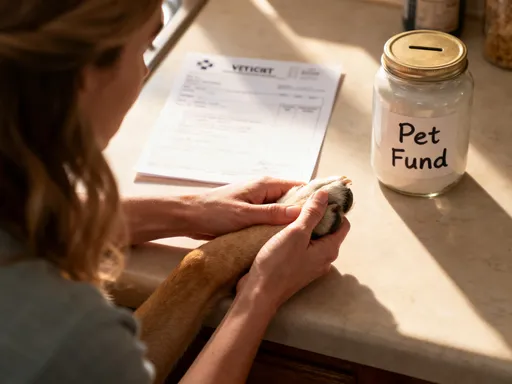
Paws and Savings: How I Tackle Pet Medical Costs Without the Stress
Managing pet medical expenses used to keep me up at night. I love my dog like family, but vet bills? They hit hard and fast. After one surprise emergency cost me way more than expected, I knew I had to get smarter. This is how I built a realistic, stress-reducing system to fund my pet’s health care—without risking my financial stability. What started as a reaction to a single crisis has become a thoughtful, sustainable approach that balances compassion with common sense. It’s not about having a high income or perfect timing. It’s about creating structure, staying consistent, and making decisions in advance—so when the unexpected happens, you’re not scrambling. This is the story of how I took control of pet-related financial stress, one practical step at a time.
The Hidden Cost of Loving a Pet
Pet ownership brings joy, companionship, and a deep sense of purpose. Yet few people enter this journey fully aware of the financial responsibilities that come with it. While food, toys, and grooming are predictable costs, medical care is a different story altogether. A routine checkup can easily exceed $100, and a minor infection may require diagnostics, medications, and follow-up visits that add up quickly. When emergencies strike—such as ingestion of a foreign object, severe allergies, or trauma—the cost can spiral into thousands of dollars in a matter of hours. I learned this the hard way when my dog, Max, began vomiting uncontrollably one evening and required immediate imaging and hospitalization. The final bill was over $2,500, and it came at a time when my general emergency fund was already depleted from a home repair.
What made the situation worse was the emotional toll. I wasn’t just worried about Max’s health—I was anxious about whether I could afford the care he needed. That moment exposed a critical gap in my financial planning. Like many pet owners, I had assumed that a general savings account would cover any unexpected pet expense. But pet health issues are not only unpredictable in timing, they also vary widely in severity and cost. Chronic conditions like diabetes, arthritis, or kidney disease require ongoing treatment, which means recurring expenses that can strain a household budget over time. According to industry data, the average annual cost of veterinary care for a dog has risen steadily over the past decade, and for cats, the trend is similar. These figures don’t even include emergency procedures, which can cost five or ten times more.
Another challenge is the emotional weight of decision-making. When your pet is in pain, it’s difficult to think clearly about finances. The pressure to “do everything” can lead to overspending or, conversely, avoiding necessary care due to fear of cost. This creates a cycle of stress and guilt that no loving pet owner should have to endure. I realized that relying on instinct or last-minute decisions wasn’t sustainable. What I needed was a dedicated, proactive strategy—one that respected both my love for Max and my responsibility to my family’s financial well-being. The first step was acknowledging that pet medical costs are not an occasional surprise but a recurring reality that deserves its own financial category.
Why Standard Budgeting Falls Short
Many financial experts recommend building a general emergency fund covering three to six months of living expenses. While this advice is sound for unexpected job loss or urgent home repairs, it doesn’t always translate well to pet medical needs. The problem isn’t the principle—it’s the application. When I first tried to manage pet costs, I simply added a line item to my monthly budget: $50 for “pet savings.” I believed that over time, this would grow into a sufficient cushion. But after 18 months, I had only saved $900. When Max’s emergency occurred, that amount covered less than half the bill. I had to dip into other savings, delay car maintenance, and feel financial strain for months afterward.
The issue was twofold. First, the amount I was saving was arbitrary, not based on actual risk or projected costs. Second, because the money was part of a broader savings pool, it lacked a specific purpose and was vulnerable to being redirected when other needs arose. This is a common flaw in traditional budgeting: when funds are undesignated, they become flexible—and therefore less reliable when a specific crisis hits. Pet medical expenses are not just another category like dining out or entertainment. They are high-stakes, time-sensitive, and emotionally charged. Treating them as such requires a different approach.
Additionally, general emergency funds are designed for rare, catastrophic events. But pet health issues often fall into a gray area: not life-threatening enough to qualify as a household emergency, but serious enough to require immediate attention. A torn ligament, for example, might not threaten life, but delaying surgery can lead to chronic pain and higher long-term costs. These mid-tier medical events happen more frequently than owners expect, and they drain savings over time. Without a dedicated mechanism to address them, even financially responsible households can find themselves making compromises on care. I realized that I needed a system that wasn’t just about saving money, but about building resilience specifically for pet health—something structured, intentional, and protected from everyday financial pressures.
My Hybrid Fund Strategy: Separating the Essentials
After my experience with Max’s emergency, I developed a two-part financial strategy tailored to pet medical needs. I call it the hybrid fund model: one component is a liquid reserve for immediate emergencies, and the other is a long-term medical fund designed to grow over time. This structure allows me to respond quickly to urgent situations while also preparing for future health challenges as Max ages. The key insight was that not all pet expenses are the same, so my savings approach shouldn’t be either.
The first part of the system—the emergency reserve—is kept in a high-yield savings account that I can access within 24 hours. I treat this fund like an insurance deductible: it’s meant to cover the initial cost of unexpected care, typically ranging from $1,000 to $2,000 depending on my vet’s location and common procedures. I set a target amount based on local veterinary pricing data and adjusted it annually. This fund is strictly for urgent, unplanned events: accidents, sudden illnesses, or diagnostic testing required in an emergency. Because it’s easily accessible, I don’t have to worry about approval delays or claim denials. It gives me immediate control over decisions, which reduces stress during critical moments.
The second part—the long-term medical fund—is invested in a low-risk, tax-advantaged account such as a health savings account (HSA) where eligible, or a dedicated brokerage account with automatic contributions. This fund is designed to grow over time and cover recurring or predictable expenses: annual blood work, dental cleanings, chronic condition management, and age-related treatments. I contribute a fixed percentage of my income each month, treating it like a non-negotiable bill. The power of this approach lies in compounding and consistency. Even small monthly contributions—$75 to $100—can grow significantly over five to ten years, especially when paired with modest investment returns.
What makes this hybrid model effective is not the size of the accounts, but the clarity of their purpose. By separating urgent needs from long-term planning, I avoid dipping into future savings to cover present crises. This structure also makes it easier to track progress and adjust contributions as Max’s health needs evolve. I review both funds quarterly, ensuring they align with current risks and financial goals. This level of organization has transformed how I think about pet care—from reactive to proactive, from anxious to empowered.
How I Choose What to Prioritize—and When
Having a fund is only half the battle. The real test comes when a veterinarian presents treatment options, and I have to decide what’s truly necessary. Early on, I made the mistake of agreeing to every recommended test or medication out of fear of doing too little. I later realized that not every procedure offers the same value, and some are more about peace of mind than medical necessity. Learning to prioritize became a crucial part of my financial and emotional well-being.
I now follow a simple decision-making framework. First, I ask whether the treatment is urgent or can be delayed. For example, if Max shows signs of a urinary tract infection, prompt antibiotics are essential. But if a vet suggests an MRI for a minor limp, I may opt for conservative management first, such as rest and anti-inflammatory medication, before pursuing costly imaging. Second, I evaluate the expected outcome. Will this treatment significantly improve Max’s quality of life, extend his lifespan, or prevent further complications? If the benefit is marginal, I may decline or seek a second opinion. Third, I consider cost-effectiveness. Are there equally effective but less expensive alternatives? For instance, some medications are available in generic forms, and certain diagnostics can be done at lower-cost specialty clinics.
I also make it a habit to ask specific questions during appointments: What is the diagnosis? What are the risks of not treating? What are the success rates? And what is the total estimated cost? This information helps me make informed choices rather than emotional ones. I’ve found that veterinarians appreciate thoughtful questions and are often willing to discuss financial constraints openly. Some even offer payment plans or refer clients to charitable programs when needed. By engaging in this dialogue, I maintain trust in the care process while staying within my financial boundaries.
This approach has helped me avoid overspending on low-impact treatments while ensuring that Max receives high-value care when it matters most. It’s not about cutting corners—it’s about being intentional. Over time, I’ve become more confident in my decisions, knowing that I’m balancing compassion with responsibility. That confidence has reduced my anxiety and strengthened my relationship with both my pet and my veterinarian.
Insurance vs. Self-Funding: What Actually Works
When I first explored options for managing pet medical costs, I assumed pet insurance would be the solution. I signed up for a mid-tier plan with a $500 deductible and 80% coverage for accidents and illnesses. At first, it seemed like a smart move. But after filing a claim for Max’s emergency care, I discovered several limitations. Pre-existing conditions were excluded, some treatments were not covered, and the reimbursement process took weeks. I also learned that premiums increase with age and claims history, making long-term affordability uncertain.
More importantly, insurance didn’t eliminate financial stress—it shifted it. Instead of worrying about upfront costs, I worried about whether a claim would be approved, whether a procedure was “medically necessary” according to the insurer, or whether the paperwork was correct. I also realized that insurance works best when claims are large and infrequent. For smaller, recurring expenses—like allergy shots or dental cleanings—it often doesn’t pay off due to deductibles and co-pays. After analyzing three years of premiums and payouts, I found that I had paid nearly as much in premiums as I received in reimbursements. The break-even point was unclear, and the administrative burden was high.
This led me to experiment with self-funding—relying entirely on my hybrid savings strategy without insurance. The advantages became clear quickly. I had full control over treatment decisions, no claim denials, and immediate access to funds. I could choose any veterinarian, use any treatment, and pay directly without waiting for reimbursement. Over time, I found that disciplined saving was more predictable and less stressful than navigating insurance policies. However, self-funding requires consistency and long-term planning. It’s not a solution for someone who struggles to save or faces sudden, catastrophic expenses without a cushion.
For many pet owners, the most effective approach may be a hybrid of both: maintaining a self-funded reserve while carrying insurance for high-cost emergencies. This combination offers flexibility and protection. I now use insurance selectively—only for plans that cover hereditary conditions common in my dog’s breed and with minimal exclusions. I treat the policy as a backup, not the primary solution. This balanced view has given me greater peace of mind than either option alone.
Small Habits That Add Up Without You Noticing
One of the most empowering realizations was that I didn’t need a sudden windfall or a salary increase to build a strong pet fund. What mattered most were small, consistent actions that required little effort but delivered significant results over time. I started by identifying minor spending leaks in my budget—daily coffee runs, unused subscriptions, impulse online purchases—and redirected that money into Max’s medical fund. For example, skipping one $5 latte per week adds up to $260 a year. That’s enough to cover a dental cleaning or a round of vaccinations.
I also set up automatic transfers from my checking account to both the emergency and long-term funds. These transfers happen on payday, so I never see the money in my main account. I treat them like utility bills—non-negotiable and invisible. To make saving even easier, I used a round-up app that automatically transfers the difference between my purchases and the next dollar. A $3.75 coffee triggers a $0.25 transfer, which seems negligible but can amount to $100 or more per year. These micro-contributions build momentum without creating financial strain.
Another habit I adopted was seasonal budget reviews. Every three months, I assess my spending patterns and identify areas where I can temporarily cut back—eating out less, postponing non-essential shopping, or using coupons for pet supplies. The savings from these short-term adjustments go directly into the pet fund. I also celebrate small milestones, like reaching 50% of my emergency fund goal, which keeps me motivated. Over time, these habits became automatic, requiring no willpower or constant monitoring. The result? A growing fund that feels effortless, built not on sacrifice, but on smart, sustainable choices.
Building a Plan That Scales With Your Pet’s Life
Pets have different health needs at different stages of life, and a static savings plan won’t keep up. When Max was a puppy, his biggest expenses were vaccinations, spaying, and basic training. As he entered adulthood, preventive care like heartworm prevention and annual checkups became routine. Now, in his senior years, we’re dealing with joint supplements, blood panels, and monitoring for age-related conditions. Each phase requires a different financial approach.
I adjust my contributions annually based on his life stage and health status. During puppyhood, I saved less per month because costs were predictable and relatively low. As he aged, I gradually increased my monthly contributions to account for rising risks. I also set aside a separate end-of-life care fund to cover potential hospice services, mobility aids, or humane euthanasia when the time comes. This fund ensures that I can make compassionate decisions without financial pressure during an emotionally difficult period.
Every year, I conduct a pet health and finance review. I consult with my veterinarian about expected needs for the coming year, research average costs in my area, and update my savings targets accordingly. I also reassess my insurance coverage, account performance, and spending habits. This annual ritual keeps my plan relevant and responsive. It’s not about perfection—it’s about progress. By anticipating change, I avoid being caught off guard and maintain control over both care quality and financial stability.
Peace of Mind Is the Real ROI
At the end of the day, the true return on investment isn’t measured in dollars saved, but in peace of mind gained. Knowing that I have a structured, reliable way to cover Max’s medical needs has transformed my experience as a pet owner. I no longer lie awake wondering if I can afford treatment. I can say “yes” to care without panic, guilt, or debt. That freedom is priceless.
This journey wasn’t about getting rich or finding a shortcut. It was about taking responsibility, making thoughtful choices, and building resilience over time. The strategies I’ve shared—hybrid funds, prioritization, smart habits, and life-stage planning—are accessible to anyone, regardless of income. What matters most is consistency and intention. Financial preparedness doesn’t diminish the love we have for our pets; it honors it. By planning ahead, we ensure that our pets receive the care they deserve, and we protect our families from avoidable stress. In the quiet moments, when Max rests his head on my lap, I know I’m ready—for whatever comes next. And that, more than any number in a bank account, is the real measure of success.