Beyond syncing files: How shared folders quietly improved my family’s health
Living well isn’t just about eating right or exercising—it’s about how smoothly life flows. For years, my family struggled with miscommunication around meals, routines, and wellness goals. Then I realized we weren’t sharing more than just a home—we needed to share information. A simple file-syncing app became our invisible helper, keeping recipes, workout plans, and doctor’s notes in sync across phones and tablets. It didn’t just organize files—it brought our healthy habits into alignment. And honestly? It changed everything.
The Hidden Chaos Behind Our Healthy Living Attempts
Looking back, I can see how much we were trying. We bought the right cookbooks. We downloaded fitness apps. We even set family goals at the start of the year—eat more greens, walk 10,000 steps, drink more water. But week after week, something always fell apart. I’d spend an hour prepping a big batch of quinoa salad, only to find out my daughter had already made pasta for dinner. My husband started tracking his blood pressure, but he kept forgetting to log it unless I reminded him—and I wasn’t always around.
It wasn’t that we didn’t care. We did. But our efforts were scattered across different devices, different apps, and different expectations. My sister kept a detailed log of my mom’s medications on her laptop, but when Mom stayed with me for a week, I had no access to it. I ended up calling my sister every morning just to double-check dosages. And that wasn’t even the worst of it—my teenage son missed his flu shot because the appointment reminder was buried in an email only I had seen. These weren’t small things. They were cracks in our wellness foundation, and they were all rooted in one simple truth: we weren’t on the same page, literally or digitally.
It made me realize something important: healthy living isn’t just about willpower or knowledge. It’s about coordination. It’s about making sure the right information reaches the right person at the right time. Without that, even the best intentions crumble. We weren’t failing because we were lazy—we were failing because our systems weren’t talking to each other. And once I saw that, I knew we needed a change. Not a big, complicated overhaul, but something simple, something quiet, something that could work in the background while life kept moving.
Discovering the Real Power of File Synchronization
I first used file-syncing apps at work. I’d save a document to my desktop, and within seconds, it would appear on my laptop and phone. If I made changes, they’d update everywhere automatically. No emailing attachments back and forth. No wondering which version was the most recent. It was seamless—and I loved it. But for years, I never thought to use it at home. To me, it was a work tool, not a family tool.
Then one evening, I was trying to update our grocery list. I added almond milk and spinach to the note on my phone, but when my husband checked the list from his tablet, it didn’t show up. He’d been using a different app. Again. I remember standing in the kitchen, staring at my phone, thinking: Why can’t this just work like my work files? Why can’t our family information stay in sync the same way?
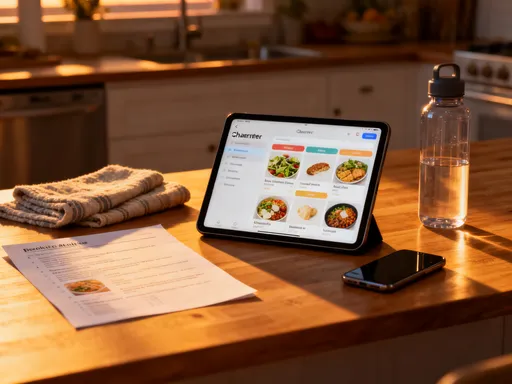
That question changed everything. I downloaded a simple file-syncing app—something familiar, like Google Drive—and created a shared folder for our family. I started small: I uploaded our weekly meal plan, a grocery list, and a basic workout calendar. I showed everyone how to open the folder, how to edit it, how to see updates in real time. And within days, things started to shift. My husband added a new item to the grocery list while at the store. My daughter uploaded a smoothie recipe she found online. My mom started checking the meal plan before she came over to help with dinner.
This wasn’t magic. It was just technology doing what it’s designed to do—keeping information consistent across devices. But for us, it felt like magic. Because for the first time, we weren’t guessing. We weren’t repeating tasks. We weren’t missing important details. We were all looking at the same page, literally. And that small shift—from scattered efforts to shared visibility—was the beginning of something much bigger.
Building a Shared Wellness Hub Everyone Actually Uses
Here’s what I’ve learned: if a system feels like work, people won’t use it. No matter how smart it is, no matter how many benefits it promises, if it’s complicated or frustrating, it gets abandoned. So when I set up our family’s shared folder, I didn’t go overboard. I didn’t create 20 subfolders or require everyone to log in with two-factor authentication. I kept it simple, intuitive, and welcoming.
We started with four main folders: Meals, Workouts, Health Records, and Goals. Under Meals, we had subfolders for Weekly Plans, Recipes, and Grocery Lists. Under Workouts, we had Weekly Schedule, Home Routines, and Favorite Videos. Health Records included things like vaccination records, doctor’s notes, and medication logs. Goals was where we kept our family challenges—like “30 Days of Walking” or “Sugar-Free Week.”
But structure wasn’t enough. We also needed clarity. So we agreed on simple naming rules. No “Recipe from Pinterest” or “Stuff for dinner.” Instead, we used clear names like “Sheet Pan Salmon – Apr 12” or “15-Minute Morning Stretch – Beginner.” And to make it even easier, I added color-coded PDFs. Green for meals, blue for workouts, red for urgent health info. That way, even my mom, who isn’t super tech-savvy, could find what she needed in seconds.
The tools we used were all free and widely available—Google Drive, Dropbox, iCloud. No special software, no monthly fees. And because everything synced automatically, no one had to remember to “upload” or “share.” It just worked. The result? A system that didn’t feel like a chore. A system that actually got used. And that, more than anything, is what made the difference.
How Synced Files Keep Us Accountable—with Kindness
One of the biggest surprises was how much more supportive we became. Before, tracking our habits felt isolating. I’d log my workouts in a private app, and if I missed a day, it was just me, my guilt, and a red X on the screen. There was no encouragement, no recognition, no shared energy.
Now, when someone logs a workout or adds a new recipe, it shows up in the shared space. And instead of feeling like we’re being watched, it feels like we’re being seen. My daughter started a 7-day yoga challenge and uploaded her daily check-in. The next morning, I left a sticky note on her laptop: “Saw your yoga log—so proud of you!” My husband added a new grilled chicken recipe, and I texted him: “Making this tonight—looks delicious!”
This isn’t about pressure. It’s about presence. When we can see each other’s efforts, even in small ways, it creates a quiet sense of accountability that’s rooted in care, not criticism. We’re not policing each other. We’re noticing. We’re celebrating. And that makes all the difference. Because discipline is hard when you’re alone. But when you know someone else sees your effort, it becomes easier to keep going.
I also noticed that people started contributing more. My son, who used to ignore all family health efforts, uploaded a playlist of upbeat songs for our walks. My sister added a template for tracking water intake. These weren’t huge changes, but they mattered. Because when a system feels inclusive, people want to be part of it. And that’s how small habits become family habits.
Less Stress, More Togetherness: The Emotional Side of Organized Files
There’s a kind of quiet anxiety that comes with managing a family’s health. Did I remember to send the dentist form? Is my son’s EpiPen up to date? Did someone else already buy the gluten-free bread? These little questions pile up, and they live in the background of your mind, stealing your peace.
What surprised me most about our shared folder was how much it reduced that noise. Now, when I need to know something, I don’t have to call, text, or search through old emails. I just open the folder. The dentist form is in Health Records. The EpiPen expiration date is in the medication log. The grocery list shows that yes, someone already bought the bread.
It sounds small, but it’s not. Because every time you don’t have to double-check something, you gain a little more mental space. And that space? It goes to things that matter—like actually enjoying dinner instead of worrying about who forgot to pick up the milk. Or being present when your daughter talks about her day, instead of mentally running through your to-do list.
More than that, it created a sense of trust. We started to believe that the information was there, that it was accurate, that we could rely on it. And when you trust the system, you can relax. You can stop micromanaging. You can let go a little. And in a busy household, that’s a gift. It doesn’t eliminate stress completely—no tool can do that—but it removes a whole layer of unnecessary worry. And that makes room for connection, for calm, for breathing.
Teaching Teens and Parents to Share Without Resistance
I won’t lie—getting everyone on board wasn’t easy. My teenage son called it “creepy” at first. “You want me to share my workout log with the whole family? No way.” My mom said it sounded “too techy” and worried she’d accidentally delete something important. Even my husband was skeptical. “Do we really need another app?” he asked.
So I didn’t push. Instead, I started small. I created a shared playlist for workout music and asked everyone to add one song. My son added a high-energy track. My daughter added a calming one. My mom added an old favorite. Suddenly, it wasn’t about surveillance—it was about sharing something fun. From there, I added the grocery list. Then the meal plan. Each step was low-pressure, useful, and clearly beneficial.
I also made sure to highlight the convenience, not the control. I didn’t say, “You need to log your meals.” I said, “If you add your favorite recipe, everyone can try it.” I didn’t say, “You have to track your water.” I said, “There’s a template if you want to remember to drink more.”
Over time, people started seeing the value. My son realized he could check the grocery list before asking for snacks. My mom loved that she could see the weekly meals and plan her visits around them. My sister appreciated having access to health records when she babysat. And slowly, the resistance faded. Now, when someone adds a new file, it’s not a chore—it’s a contribution. And that shift—from obligation to ownership—is what made the system stick.
A Smarter, Softer Life: Why This Small Tech Shift Matters
I used to think technology in the home was about convenience—smart thermostats, voice assistants, automated lights. But this experience taught me something deeper. The most powerful tech isn’t always the flashiest. Sometimes, it’s the quiet, invisible tools that help us care for each other more easily.
Syncing our files didn’t just organize our recipes or track our workouts. It changed the way we communicate. It reduced friction. It created space for kindness, for recognition, for peace of mind. It turned individual efforts into shared rhythms. And in doing so, it made healthy living feel less like a chore and more like a connection.
Because that’s what wellness really is—not just eating well or moving more, but feeling seen, supported, and in sync with the people you love. And sometimes, all it takes is a shared folder to make that possible. You don’t need the latest gadget or a complicated app. You just need a simple way to keep your family’s care flowing smoothly.
So if you’re feeling overwhelmed, if you’re tired of repeating yourself, if you want to live healthier but don’t know where to start—try this. Create one shared folder. Start with one thing—a meal plan, a grocery list, a workout calendar. Invite your family in. Keep it simple. Let it grow. Because the truth is, we don’t need to do more to live well. We just need to do it together. And sometimes, the smallest tech shift can help us do exactly that.