Tired of Wasting Time on Household Chores? Smart Appliances That Give You Your Day Back
Life moves fast, and the last thing you need is to spend precious hours managing small, repetitive tasks around the house. You’ve probably stood in the kitchen, wondering why your coffee maker doesn’t start when you wake up—or why your laundry still needs constant monitoring. What if your home could just *know*? This is not about flashy tech—it’s about real relief. I’ve been there, juggling work, life, and endless to-do lists. Let me show you how smart appliance management quietly transformed my days, saving time and bringing calm to my home.
The Morning Rush That Used to Break Me
There was a time when my mornings felt like a race I never trained for. I’d wake up five minutes late—okay, maybe ten—only to realize the coffee hadn’t brewed, the thermostat was set to arctic winter, and the dog hadn’t been let out. I’d rush around like a pinball, hitting one task after another: laundry from last night still in the washer, dinner prep forgotten, school lunches not packed. By the time I got the kids out the door, I was already drained. And it wasn’t just one day. It was every day. The chaos wasn’t dramatic, but it wore me down, piece by piece.
What made it worse was knowing that none of these things were emergencies. No one was in danger. But the mental load—the constant remembering, checking, adjusting—was exhausting. I remember standing in the kitchen one Tuesday, staring at the silent coffee maker, thinking, Why can’t this thing just start when I do? That moment cracked something open. I realized I wasn’t failing at time management. I was just using tools that weren’t designed to help me. These weren’t chores I had to accept—they were problems that could be solved. And that’s when I started wondering: what if my appliances could do more than just sit there?
It wasn’t about becoming a tech expert or turning my house into a sci-fi movie. I didn’t want flashing lights or voice commands that never worked. I just wanted my home to support me, not add to my to-do list. I wanted to walk into a warm house with coffee already brewing, clothes already drying, and dinner already thought through. I wanted to stop feeling like I was always one step behind. And honestly? That dream wasn’t as far out of reach as I thought.
First Steps into the Smart Home: Skepticism and Surprises
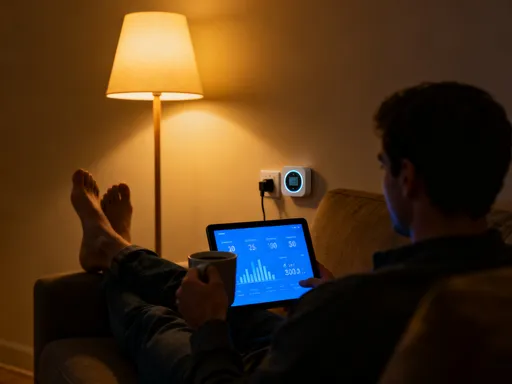
My first foray into smart home tech was embarrassingly small. I bought a smart plug. That’s it. A little white rectangle you plug into the wall, then plug your lamp into. I didn’t even use it for anything important at first. I just wanted to see if I could turn my bedside lamp on from my phone. I downloaded the app, followed the setup—connect to Wi-Fi, name the device, done. And then, with a tap, the light turned on. I laughed. It felt silly. But also… kind of magical.
That tiny win gave me courage. If I could control a lamp, could I control my coffee maker? So I moved the smart plug to the kitchen and connected it to my drip coffee machine. Then I set a schedule: every weekday at 6:45 a.m., power on. The next morning, I woke up to the smell of coffee brewing. Not because I remembered to press a button. Not because someone else did it for me. But because the house just… knew. And in that moment, I felt something I hadn’t in years: relief.
I know what you might be thinking. “This sounds like something for tech geeks or people with too much money.” I thought the same. But here’s the truth—today’s smart home tools aren’t about complexity. They’re about simplicity. The apps are intuitive. The voice assistants—like Alexa or Google Assistant—make it even easier. “Hey Google, start the coffee.” Done. No cables, no coding, no stress. And the best part? You don’t have to go all in. Start with one thing. One plug. One device. See how it feels. For me, that first small step opened the door to a whole new way of living—one where my home started working for me, not the other way around.
Time Saved Isn’t Just Minutes—It’s Peace of Mind
When I first looked into smart appliances, I focused on time. How many minutes could I save? But what I didn’t expect was the mental space I’d gain. It’s not just about skipping a task. It’s about not having to think about it. That’s the real gift. Decision fatigue is real, especially when you’re managing a household. What’s for dinner? Did I turn off the iron? Is the laundry still wet? Smart appliances don’t eliminate chores, but they remove the nagging thoughts that come with them.
Take my smart oven. I can preheat it from the grocery store. I’m in the parking lot, unloading bags, and I tap my phone: “Preheat to 375.” By the time I walk in, it’s ready. No waiting. No forgetting. And when dinner’s done, it sends me a notification. I don’t have to hover over the kitchen, checking every five minutes. I can help my daughter with her math homework, fold laundry, or just sit for a minute—knowing I’ll be alerted when it’s time.
Then there’s the robot vacuum. I used to dread vacuuming. It took time, it was loud, and it always seemed to happen when I was trying to do something else. Now, I schedule it for midday, when I’m at work or the kids are at school. I come home to clean floors—no effort, no noise, no hassle. And my favorite? The smart washer and dryer. I get a ping on my phone when the cycle ends. No more musty, damp clothes because I forgot to move them to the dryer. No more laundry piling up for days. These aren’t huge changes on their own, but together, they add up. I’ve reclaimed hours each week—not just in time, but in calm.
Making the Kitchen Work for Me, Not the Other Way Around
The kitchen used to be my stress zone. I’d open the fridge, stare at the contents, and still have no idea what to cook. I’d buy the same things over and over, then find them spoiled a week later. Meal planning felt like a part-time job. Then I got a smart fridge—one with a built-in camera and grocery tracking. Now, I can check what’s inside from my phone while I’m at the store. No more buying milk I already have. No more guessing if I’m out of eggs.
But the real game-changer? The recipe suggestions. I tell it what’s in the fridge, and it gives me ideas. “You have chicken, broccoli, and rice—try a stir-fry.” It even adjusts for dietary preferences. My friend Sarah once told me, “I don’t have time to cook.” I get it. But with these tools, cooking doesn’t have to be all or nothing. You don’t need to be a chef. You don’t need to plan a week ahead. You just need a little help getting started. And that’s what smart appliances offer—a nudge in the right direction.
I also use my smart oven’s guided cooking feature. I select “chicken breast,” and it walks me through the steps: preheat, season, cook for 25 minutes. It adjusts the time and temperature automatically. I don’t have to guess. I don’t have to watch a video or read a blog post. It’s like having a quiet helper in the kitchen. And when dinner’s done, I hear that gentle chime—dinner’s ready. No burnt food. No undercooked meals. Just consistency. That might not sound exciting, but when you’re feeding a family every night, consistency is everything.
Laundry Day? More Like Laundry “Done”
I used to block off half of Sunday for laundry. Sort, wash, dry, fold, put away. By the time I finished, I was too tired to enjoy the rest of the day. And if I got distracted? The clothes would sit in the washer overnight, smelling damp and needing to be rewashed. It was such a waste of time and energy. Then I upgraded to a smart washer and dryer. Now, I load the machine, tap my phone, and start the cycle. I can even monitor it remotely—see how much time is left, get alerts if there’s a problem.
But the best feature? Notifications. When the wash cycle ends, my phone buzzes. “Time to move clothes to the dryer.” When the dryer finishes, another alert: “Laundry is done.” No more guessing. No more forgetting. I can start a load at 9 p.m., go to bed, and wake up to clean, dry clothes. I’ve even started scheduling laundry during off-peak energy hours to save on bills. The machine runs quietly at night, and I don’t have to be there at all.
And here’s something I didn’t expect: the emotional lift. There’s a quiet joy in walking into the bathroom and grabbing a warm, freshly dried towel—without having lifted a finger. Or folding a basket of clothes that didn’t sit around getting wrinkled. It’s not just convenience. It’s comfort. It’s the feeling that your home is taking care of you, not the other way around. Laundry isn’t a “day” anymore. It’s a background task—like breathing. And that’s exactly how it should be.
Building a Home That Learns and Adapts
One of the most surprising things about smart home tech is how it learns from you. My smart thermostat didn’t just let me adjust the temperature from my phone—it started predicting what I wanted. After a week of me turning it down at bedtime, it began doing it automatically. Same with the lights. I set a routine: living room lights dim at 8 p.m., bedroom lights turn on at 8:30. Now, it just happens. No commands. No taps. It’s like the house is paying attention.
This isn’t about control. It’s about harmony. I don’t have to remember to turn off the fan when I leave the house. The motion sensor does it for me. I don’t have to get up to adjust the blinds—the smart ones close at sunset. These aren’t flashy features. They’re quiet, thoughtful touches that make life smoother. And the best part? I didn’t have to program every detail. Most systems learn over time. You use them, they watch, they adapt. It’s not artificial intelligence in the sci-fi sense. It’s practical intelligence—designed to make your days easier.
I’ve also linked some devices together. When I say, “Good morning,” my lights turn on, the thermostat adjusts, and the coffee starts brewing. It sounds simple, but it sets the tone for the whole day. I’m not scrambling. I’m not stressed. I’m greeted by a home that’s ready for me. And at night, “Goodnight” turns off the lights, locks the doors, and sets the alarm. It’s not just automation. It’s ritual. It’s peace.
The Bigger Picture: Time, Energy, and What Matters Most
When I look back at the person I was before smart appliances, I see someone who was always rushing, always behind, always apologizing for the mess. I thought that was just part of being a busy woman, a mom, a wife, a worker. But it wasn’t. It was just the way I was doing things. And once I changed my tools, I changed my life.
The hours I’ve saved didn’t just vanish. I used them. I read more. I took walks. I sat with my family and actually listened. I started a small garden. I even began painting again—something I hadn’t done in years. These aren’t luxuries. They’re what make life feel full. And I didn’t find time. I reclaimed it.
I still remember asking myself, “Is this worth it?” when I first considered spending money on smart devices. Was it just another gadget trend? But the answer came every morning when I walked into a warm house with coffee brewing, the laundry done, and my day already a little easier. Yes. It was worth it. Not because the tech is impressive, but because it serves me. It gives me back what matters most: time, energy, presence.
Technology at its best doesn’t shout. It whispers. It doesn’t distract. It supports. It doesn’t make life flashy—it makes it fuller. And if you’re tired of the daily grind, of feeling like you’re always catching up, I want you to know: you don’t have to. You can have a home that helps. One smart plug, one device, one small change at a time. Start where you are. Use what you have. And let your home become the quiet ally you’ve always needed. Because you deserve a life that feels light, not heavy. And sometimes, the smallest tech can make the biggest difference.