Beyond Watching: How Online Videos Gave Me Back Hours Every Week
You know that feeling—scrolling through videos, laughing, learning, maybe even dreaming a little—but then realizing hours have vanished? I used to think online video was just entertainment, until I discovered how to turn it into a real time-saver. Not by watching less, but by watching differently. This isn’t about cutting screen time; it’s about making every minute count. Let me show you how I transformed casual viewing into a tool for growth, efficiency, and joy—all without adding more to my day. It started with a simple question: what if the same screen that steals my time could actually give it back?
The Hidden Cost of Mindless Scrolling
Remember that night when you promised yourself just one video before bed? Maybe it was a quick recipe, a dance clip, or a home renovation before-and-after. You tapped play, smiled, and suddenly—it’s midnight. The kids’ lunches aren’t packed, the laundry’s still in the dryer, and you’re not sure what you even watched. We’ve all been there. I used to fall into that loop almost every evening. Tired from managing the house, helping with homework, and folding what felt like endless piles of towels, I’d reach for my phone like it was a warm cup of tea—something soothing, familiar. But instead of resting, I’d end up mentally drained, frustrated at myself for losing another hour to random clips that didn’t help me, inspire me, or even truly relax me.
That’s when I started noticing a pattern: the videos weren’t the problem. My approach to them was. I was consuming without purpose, like snacking on chips when what I really needed was a real meal. And just like junk food leaves you sluggish, mindless scrolling left me feeling unproductive and a little guilty. I wasn’t unwinding—I was escaping. The turning point came when I asked myself: what if I treated video time like a resource, not a reward? What if I could use those same minutes to learn something useful, solve a nagging problem, or even connect more with my family? That shift—from passive viewer to active user—changed everything. I realized online video doesn’t have to be the thief of time. It can be the key to getting time back.
From Entertainment to Empowerment: A Mindset Shift
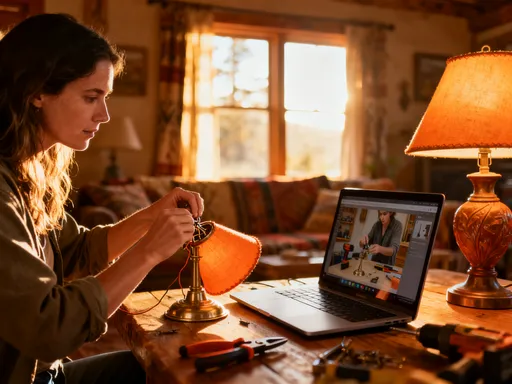
The real change began on a rainy Saturday morning. My daughter’s favorite lunchbox had a broken clasp, and I’d been meaning to fix it for weeks. Instead of heading to the store for a replacement, I thought, Could there be a video for this? I searched “how to repair plastic lunchbox clasp” and found a two-minute tutorial from a mom in Minnesota who’d used a tiny zip tie and hot glue. I followed along, and within ten minutes, the box was as good as new. My daughter was thrilled. But more than that—I felt capable. That small win sparked something in me. What else could I fix, learn, or improve with just a few minutes of focused watching?
That’s when I made a decision: I would stop letting videos choose me, and start choosing them. No more autoplay, no more “just one more” rabbit holes. Instead, I’d watch with intention. Before opening YouTube or TikTok, I’d ask: What do I need help with today? Is it a faster way to fold fitted sheets? A new recipe the kids will actually eat? A five-minute stretch routine for my stiff shoulders? When I started using video as a tool instead of a distraction, everything changed. The same platform that once made me feel lazy now made me feel resourceful. I wasn’t just watching—I was doing. And doing led to confidence. Confidence led to more action. It became a positive cycle, one that quietly reshaped my days.
Curating Your Video Diet for Real Results
Just like we’re more careful about what we feed our bodies, I realized I needed to be more thoughtful about what I feed my attention. I started calling it my “video diet”—and yes, it sounds a little funny, but it helped me stay serious about it. I asked myself: what kind of videos leave me feeling full, not empty? Which ones solve a problem, spark joy, or save me time? I began creating playlists with specific purposes: “Quick Dinners for Busy Nights,” “5-Minute Decluttering Hacks,” “Weekend Family Projects.” These weren’t endless scroll sessions—they were curated toolkits.
I also learned to spot the difference between fluff and value. A video that shows you three ways to organize your pantry in 90 seconds? Gold. A ten-minute clip of someone unboxing ten identical kitchen gadgets with no real tips? Probably not worth my time. I started following creators who were real people—moms, dads, teachers, DIYers—who shared practical, tested advice. I looked for clear audio, good lighting, and—most importantly—results I could replicate. And I got smart about search terms. Instead of typing “cleaning tips,” I’d search “how to clean grout without scrubbing”—specific, actionable, and time-efficient.
One of my favorite habits now is my Sunday “prep session.” While the coffee brews, I spend 20 minutes watching short videos that set me up for the week. I’ll watch a folding hack for kids’ clothes, a quick meal prep idea, or a calming breathing exercise. It’s become my quiet ritual—no pressure, no performance, just gathering tools. And the payoff? Smoother mornings, fewer “what’s for dinner?” panics, and a sense that I’m a little more in control. I’m not scrolling to escape my life. I’m watching to improve it.
Saving Time in the Kitchen (and Beyond)
If there’s one place where minutes really matter, it’s the kitchen. Between picky eaters, last-minute schedule changes, and the eternal question of “what can I make with what’s already in the fridge?”, mealtime can feel like a daily crisis. I used to spend ages flipping through cookbooks or reading blog posts with long stories and ten-step recipes. By the time I got to the ingredients, I was already tired. Then I discovered short cooking videos—and honestly, it was a game-changer.
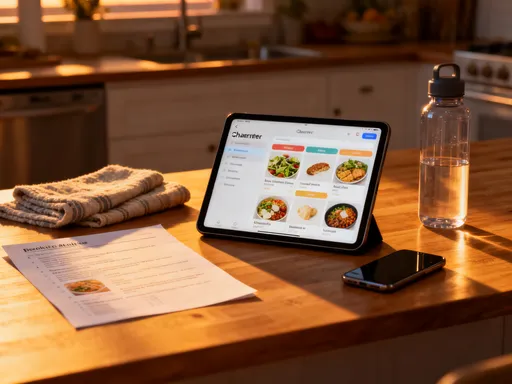
I remember the first time I tried a 10-minute stir-fry tutorial. The video showed exactly how to chop the veggies, what order to add them to the pan, and how to make the sauce in one bowl. No fluff, no distractions—just clear, visual instructions. I followed along, and dinner was ready in 12 minutes. My family loved it. But more than that, I loved not feeling overwhelmed. The visual format made it easier to remember, and I didn’t have to keep my phone balanced on the counter while reading paragraphs. I could pause, rewind, and watch again if I missed a step. It was like having a patient cooking coach right there with me.
From there, I started using videos for meal planning, too. Batch-cooking tutorials showed me how to prepare three dinners in one afternoon, then freeze them in portion-sized containers. I learned how to use my slow cooker more creatively, and even how to make healthy snacks my kids would actually eat. But the real surprise was how this habit spilled over into other parts of the house. I started using the same visual learning for laundry—finding a video on how to sort and fold baby clothes faster. I watched a quick guide on organizing the medicine cabinet. Even my garden benefited—there’s a brilliant 8-minute video on container gardening for small spaces that helped me grow herbs on my balcony. The kitchen was just the beginning. Once I saw how much time I could save with the right video, I started applying it everywhere.
Learning Skills That Actually Stick
Let’s be honest—how many times have you watched a “how to” video and then forgotten half of it by the next day? I used to get so frustrated. I’d watch a great tutorial on knitting, or basic car maintenance, or even how to use a new app, and then when I tried it myself, I’d freeze. The information felt slippery, like trying to hold water in my hands. That changed when I discovered the power of micro-learning—watching short videos again and again, just for a few minutes at a time.
Take yoga, for example. I wanted to stretch more, but I didn’t have time for hour-long classes. Then I found a series of 5-minute videos focused on one pose at a time. I’d watch the same one every morning for a week—just the downward dog. I’d pause, try it, watch again, adjust. No pressure to be perfect. And slowly, it stuck. I wasn’t just mimicking—I was learning. The same worked for home repairs. When my bathroom faucet started dripping, I found a 90-second video on replacing the washer. I watched it three times, gathered my tools, and did it myself. No plumber, no cost, no stress. That small victory made me feel more capable in ways I didn’t expect.
But some of the most meaningful moments came from sharing what I learned. I taught my son how to make a paper airplane from a craft video I’d saved. We spent a rainy afternoon folding and testing designs, laughing when they nosedived into the couch. Another time, I followed a tutorial to make a handmade journal as a gift for my sister. It wasn’t perfect, but she loved it—and I loved that I’d made something with my own hands. These weren’t just skills. They were connections. And because the videos were short and repeatable, I didn’t feel intimidated. I could learn at my own pace, in my own space, without judgment. That’s the beauty of this approach: it turns learning from a chore into a quiet joy.
Sharing and Growing Together as a Family
There’s a common fear that screens pull families apart. I used to worry about that too. I’d see us all sitting in the same room, each buried in our own device, barely talking. But what if technology could bring us together instead? That’s the experiment I started about a year ago: turning video watching into a shared activity. Every Sunday morning, we have what we call “Idea Time.” No phones during dinner, no solo scrolling—but on weekends, we gather in the living room with one rule: pick a short video we can all watch and try together.
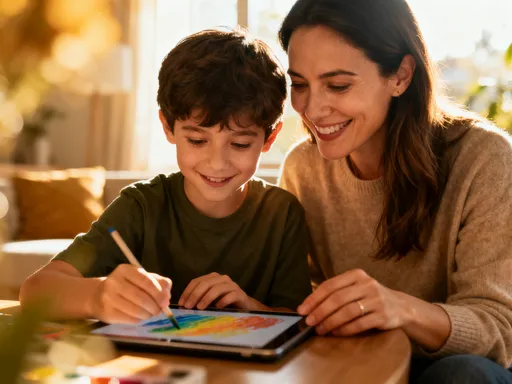
Sometimes it’s silly—like learning a simple TikTok dance. We laugh, we mess up, we try again. Other times, it’s practical—how to make homemade playdough, build a bird feeder from recycled materials, or bake no-knead bread. Last month, we watched a 7-minute video on painting small wooden ornaments. We bought blank ones from the craft store, played soft music, and spent an afternoon decorating them together. It wasn’t about perfection. It was about being present. My daughter told me it was her favorite weekend all month. And you know what? It was mine too.
What I’ve noticed is that these moments don’t just teach us new things—they teach us about each other. When my husband tried to follow a grilling tutorial and accidentally charred the chicken, we didn’t get upset. We laughed and ordered pizza. When my son proudly showed off his handmade birdhouse, even though it leaned to one side, we hung it in the garden like it was a masterpiece. These videos became more than instructions. They became invitations—to create, to connect, to be imperfect together. And in a world that often feels too busy, too loud, too demanding, those quiet moments of togetherness are priceless. Technology didn’t replace our bond. It helped us strengthen it.
Reclaiming Your Time, One Video at a Time
Looking back, I realize I didn’t just gain hours. I gained something deeper—a sense of agency. For years, I felt like I was constantly chasing time, always one step behind. But when I started using videos with purpose, I began to feel more in control. I wasn’t just surviving the day. I was improving it. I fixed things instead of replacing them. I cooked with confidence instead of stress. I learned new skills and shared them with people I love. And I did it all without adding more to my plate.
The truth is, we don’t have to give up online videos. We just need to use them differently. We don’t have to feel guilty for watching. We can watch well—with intention, with curiosity, with heart. When we do, videos stop being time thieves and start being time givers. They become tiny teachers, quiet helpers, joyful connectors. They don’t steal our lives. They enrich them.
So the next time you reach for your phone, pause for just a second. Ask yourself: What do I need right now? A solution? A smile? A way to connect? Let that question guide you. Choose one video that serves you, not just distracts you. Watch it fully. Use it. Share it. And then see what happens. You might be surprised how much you can gain—not just in minutes, but in meaning. Because when we use technology with purpose, it doesn’t take time away. It gives it back. And sometimes, that’s the most precious gift of all.