More Than an Alarm: How Gas Monitoring Brought Our Family Closer to Peace
You know that quiet worry you carry when you’re away from home? I did—until a small tech upgrade changed everything. It wasn’t about fancy gadgets, but real peace of mind. When I first heard about smart gas monitoring, I thought it was overkill. But after a close call with a forgotten stove, I realized it wasn’t just about safety—it was about trust, connection, and breathing easier as a family. This is how it quietly transformed our daily life.
The Unseen Worry No One Talks About
There’s a kind of fear that doesn’t shout—it whispers. It’s the kind that slips in while you’re folding laundry or sitting in a work meeting, when a sudden thought hits: Did I turn off the stove? I used to brush it off, tell myself I was being dramatic. But one rainy Tuesday, I couldn’t shake it. I was halfway through my grocery run when my hands started trembling. I called my teenage son at home—just to check. He said everything was fine, but the silence on the other end made my heart race. I turned the car around and drove back, twenty minutes each way, just to be sure.
When I walked in, the stove was off. But the relief didn’t come right away. What if it hadn’t been? What if I hadn’t called? That moment cracked something open in me. I realized I wasn’t just worried about fire or fumes—I was carrying guilt. The guilt of being a mom who wanted to do it all, but still felt like I was one mistake away from failing my family. And I know I’m not alone. So many of us juggle work, kids, meals, and chores, and in the chaos, something small can spiral fast. Gas leaks don’t announce themselves. They creep in silently, odorless in some cases, or masked by cooking smells. And by the time you notice, it might be too late.
That quiet anxiety isn’t just inconvenient—it’s exhausting. It steals your focus, your joy, even your sleep. You lie in bed thinking, Did I unplug the iron? Is the water heater running too long? These aren’t signs of being paranoid. They’re signs of caring deeply. But no one should have to choose between being present and being safe. I didn’t want to live in fear anymore. I wanted to live in peace. And peace, I learned, isn’t the absence of risk—it’s the presence of readiness.
Discovering a Solution That Actually Fits Real Life
I didn’t set out to become a tech enthusiast. I’m the kind of person who still uses a paper planner and prefers a real book over an e-reader. So when a friend mentioned a smart gas detector, my first thought was, Great, another thing to charge, update, and figure out. I pictured complicated apps, blinking lights, and a device that would beep at 3 a.m. for no reason. But she insisted it was different—simple, reliable, and designed for real homes, not lab setups.
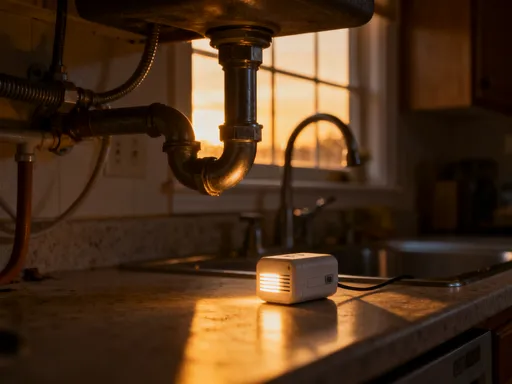
Curious, I looked into it. What I found surprised me. This wasn’t some futuristic gadget with a steep learning curve. It was a small, sleek device about the size of a smoke alarm, designed to detect natural gas and carbon monoxide—two silent threats many homes face. It installed in minutes with just a few screws, no electrician needed. And the best part? It connected to my phone. Not through some complicated setup, but through an app I already had. Within an hour, it was up and running, quietly watching over our kitchen.
The first time it worked, I wasn’t even home. I was picking up my youngest from soccer practice when my phone buzzed. A calm, clear message popped up: Gas detected in kitchen. Level: low. Ventilation recommended. My stomach dropped—but not from panic. From gratitude. Because instead of racing home blind, I could act. I called my husband, who opened the windows and checked the stove. Turns out, the pilot light on the oven had gone out, and gas was slowly building up. It wasn’t dangerous yet, but in another hour? We might not have known until it was worse.
That moment changed everything. This little device didn’t ask me to be perfect. It didn’t judge me for forgetting. It simply stepped in when I needed it. And that’s what made it different. It wasn’t about replacing my instincts—it was about supporting them. For the first time, I felt like I had a partner in keeping my family safe, not just another responsibility on my plate.
How One Device Improved Family Coordination
Safety isn’t a solo job. It’s something we do together, even when we don’t realize it. Before the monitor, our household ran on assumptions. You turned off the stove, right? I thought you checked the oven. Little gaps like that added up, especially on busy nights. But once the gas monitor was in place, something shifted. We started communicating differently. Instead of guessing, we had proof. If the stove was left on, we’d both get a notification. No blame, no panic—just a shared heads-up.
My husband and I set up the app to send alerts to both our phones. We even added my mom, who helps with the kids sometimes. Now, if someone forgets to turn off the burner, it’s not a crisis—it’s a quick team check. “Hey, got an alert—can you check the kitchen?” Texts like that have replaced the old tension. And the kids? They’ve picked up on it too. At first, they’d jump when the device beeped during a test. But now, they know what it means. My daughter even said, “That’s the house saying, ‘Hey, let’s be safe.’” That hit me right in the heart.
We’ve turned the alerts into part of our routine. Before bedtime, we do a quick family check: doors locked, lights off, stove clear. If the monitor gives a green signal, it’s like a quiet thumbs-up from the house. It’s become a symbol of us looking out for each other. And honestly? It’s brought us closer. We’re not just sharing a home—we’re sharing responsibility, care, and peace of mind. That’s not something you can measure in volts or sensors. It’s measured in calm dinners, deep breaths, and the freedom to trust that we’ve got each other’s backs.
Turning Anxiety into Empowerment
I used to think being a good parent meant never making mistakes. That if I just stayed alert enough, organized enough, I could prevent every problem. But life doesn’t work that way. We’re human. We forget. We get distracted. We’re tired. And that’s okay. What matters isn’t perfection—it’s preparation. The gas monitor didn’t make me less forgetful. But it gave me a safety net. And that changed how I feel about my own mistakes.
Now, when I get an alert, I don’t spiral. I don’t imagine worst-case scenarios or replay guilt in my head. I take a breath and take action. Open the windows. Check the appliances. Call for help if needed. It’s simple, but powerful. Because now I know: I’m not helpless. I have tools. I have information. I have time. And that time—the minutes between a small leak and a real danger—is everything.
This shift didn’t just affect how I handle gas risks. It changed how I approach other parts of home safety too. I started checking smoke detectors more regularly. I made sure we had a fire extinguisher in the kitchen. I even talked to the kids about emergency plans—not in a scary way, but in a calm, practical one. The monitor didn’t make me paranoid. It made me proactive. It reminded me that caring for my family isn’t about living in fear—it’s about building smart habits that protect us without stealing our joy.
And here’s the truth: feeling prepared doesn’t make you anxious. It makes you calm. Because you know you’re not facing the unknown alone. You’ve got systems in place. You’ve got backup. And that confidence? It spills over into everything—how you sleep, how you parent, how you move through your day. I’m not more worried now. I’m more at peace.
Simple Tech, Lasting Emotional Impact
When I first looked at the price of the gas monitor, I compared it to a weekend out—dinner, movies, maybe a little shopping. Less than that, actually. And I remember thinking, Is this worth it? But then I asked myself: What’s the cost of one sleepless night? Of one rushed drive home? Of one moment of fear that could’ve been avoided? The answer was clear. This wasn’t an expense. It was an investment—in safety, in trust, in family harmony.
The emotional ripple effects surprised me. I sleep better now. Not because I think danger is gone, but because I know we’re ready for it. My husband says he feels less stressed too. We don’t argue about who forgot to turn off the stove. We don’t second-guess each other. And the kids? They’ve picked up on the calm. They don’t feel tension in the air when someone’s late or distracted. They feel secure. And that’s priceless.
This little device didn’t change our lives in a flashy way. There was no big reveal, no dramatic moment. It just… settled into our days, like a quiet promise. It said, We’ve got this. You can relax now. And slowly, I did. I stopped replaying worst-case scenarios. I stopped carrying that low hum of worry. I started trusting myself more. And I realized: technology doesn’t have to be complicated to be meaningful. Sometimes, the smallest tools make the biggest difference—not because they do everything, but because they let us be more fully present.
Making It Work for Any Household
You don’t need a high-tech home to benefit from a gas monitor. You don’t need smart lights, voice assistants, or a fully automated kitchen. All you need is one device, a phone, and the desire to protect your people. I’ll be honest—when I started, I wasn’t sure where to put it. I read the manual, but I still wondered: Is the kitchen enough? Should I get one for the basement too?
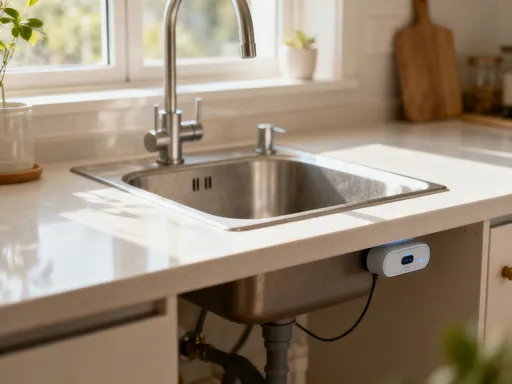
Here’s what I learned: start simple. Install it near your stove or furnace—anywhere gas appliances are used. Make sure it’s not behind a cabinet or covered by curtains. It needs to “breathe,” just like we do. And once it’s up, take five minutes to show everyone in the house what it looks like, what the lights mean, and what to do if it beeps. We made it part of a family chat over pizza—no pressure, just facts.
We also linked it to our routine. Every night, after the kids’ bedtime story, someone checks the app. If it’s green, we say, “All clear.” It’s become a little ritual, like saying goodnight to the house. And for the kids, we kept it simple: “If it beeps, we stop, listen, and tell an adult.” No fear, just clarity. We practiced once, just like a fire drill, and they got it right away.
If you’re wondering where to start, look for a monitor that’s easy to install, has a clear app, and sends real-time alerts. Choose one with a long battery life or plug-in option, so you’re not constantly changing batteries. And don’t overthink it. You don’t need every feature. You just need one that works, quietly and reliably. Because the goal isn’t to add more to your plate—it’s to take something heavy off.
Peace of Mind as a Daily Practice
Peace of mind isn’t something you buy and forget. It’s not a one-time fix. It’s something you build, day by day, choice by choice. The gas monitor didn’t magically erase all my worries. But it gave me a foundation. It taught me that safety isn’t about being perfect—it’s about being prepared. It’s about knowing you’ve done what you can, and that you have help when you need it.
Now, when I leave the house, I don’t double-check the stove three times. I check the app. And if it says we’re safe, I go—confident, calm, present. I can focus on my work, enjoy my coffee with a friend, or just breathe without that background hum of fear. And when I come home, I don’t walk in with tension. I walk in with relief, not because I was scared, but because I know we’re protected.
This little device did more than detect gas. It brought us closer. It gave us trust—in the home, in each other, in the quiet systems that support us. It reminded me that technology, when used with love and intention, doesn’t pull us apart. It brings us together. It lets us focus on what really matters: laughing at the dinner table, hugging our kids goodnight, feeling safe in the place we call home.
So if you’re carrying that quiet worry, I want you to know—you don’t have to live with it. You don’t have to prove you can do it all on your own. Sometimes, the bravest thing we can do is accept a little help. And sometimes, that help comes in the form of a small device that says, without words: You’re not alone. Your family is safe. Breathe.