Rode 120 Miles Across the City in One Week: How My Bike-Sharing App Learned Me Better Than I Knew Myself
Imagine hopping on a bike anytime, anywhere—no fumbling with codes, no hunting for docks, just your ride, waiting. This isn’t magic. It’s personalization. I used to dread commuting, but now I look forward to it. That shift? It started when I stopped treating my bike-sharing app like a tool—and started letting it work with my life. At first, it was just about getting from point A to B without stress. But slowly, something changed. The app began to know me—my habits, my pace, even the kind of day I was having. Now, every ride feels less like transportation and more like a small, quiet act of self-care. Here’s how one simple app reshaped not just my commute, but my whole week.
The Morning Rush That Used to Ruin My Day
There was a time when just the sound of my alarm felt like a personal attack. I’d drag myself out of bed, already overwhelmed. The kids needed breakfast, lunches had to be packed, and the dog hadn’t been walked. Then came the commute—a slow crawl through traffic, the same red lights, the same frustration. Parking? That was its own special kind of torture. By the time I got to work, I was drained, and the day hadn’t even started.
Public transit wasn’t much better. Sure, I could sit and scroll, but the crowds, the delays, the unpredictability—it added a low hum of anxiety to my mornings. I wanted freedom. I wanted movement. I wanted to feel like I was in control. That’s when I first tried bike-sharing. I downloaded the app, found a bike near my apartment, and gave it a shot. But honestly? It was a mess. The nearest bike was often broken or out of battery. Stations were either full or empty. Unlocking took forever. And forget about finding a bike with a basket—good luck carrying groceries or a tote bag with one hand while steering with the other.
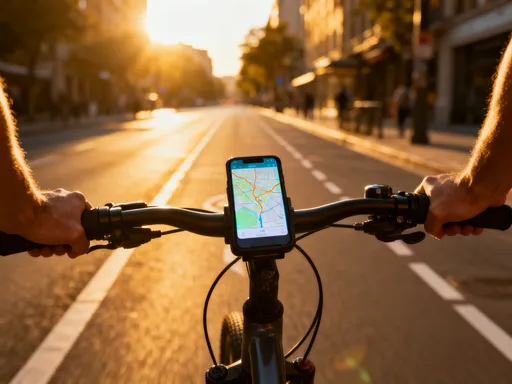
I almost quit after two weeks. But then, something shifted. One morning, I opened the app and saw a message: “Your usual route is clear. A hybrid bike with a basket is waiting at 5th & Maple.” I blinked. I hadn’t saved that route. I hadn’t even ridden it more than three times. But there it was—my bike, fully charged, under a tree, right where I usually turned left. That was the first time I thought, Wait—did it just read my mind? It wasn’t magic. It was data. But in that moment, it felt like care.
How My Phone Became My Cycling Twin
At first, the changes were subtle. So quiet I almost missed them. The app started sending me notifications at exactly 7:45 a.m.—my usual departure time—even though I’d never set a schedule. It suggested a slightly different route one morning because of roadwork I didn’t know about. Another day, it warned me about rain 15 minutes before I left the house, with a gentle reminder to grab a light jacket.
Then I noticed it remembered things. Like how I always choose hybrid bikes. Or how I avoid steep hills unless I’m feeling energetic. It began to predict my mood. On days when I left work later, it suggested a longer, scenic route along the river—like it knew I needed to decompress. On busy mornings, it pointed me to the fastest, most direct path, even if it wasn’t the prettiest.
I started to feel like the app wasn’t just serving me—it was seeing me. Not in a creepy way. Not like it was watching. But like a friend who’s been around long enough to know your rhythms. You don’t have to explain why you want the window seat or why you skip coffee on Tuesdays. They just know. That’s what this felt like. The AI wasn’t shouting its intelligence. It was whispering it, in small, thoughtful ways. And honestly? It made me feel a little less alone in the city.
From Generic to “This Feels Made for Me”
Most apps treat everyone the same. Open them, and you see the same map, the same options, the same cold interface. But over time, this one started to feel different. My home screen wasn’t just a list of bikes nearby. It showed my most-used routes, highlighted in soft blue. It remembered that I often biked to the library on Wednesdays and the farmers market on Saturdays. It even started suggesting new stops near those places—like a café with outdoor seating or a little park with picnic tables.
Notifications became meaningful. Instead of spamming me with promotions or updates, it only reached out when it mattered. A low-battery alert before I left the house. A heads-up that my favorite docking station was under maintenance. One rainy Thursday, it sent a message: “Your usual bike is docked at the covered station on 8th. Want to reroute?” I didn’t know it could do that. But it did. And I was so grateful.
Then I changed jobs. I moved my work address in the app, and within two days, it had rebuilt my entire commute profile. It learned my new start time, suggested faster routes, and even found a secure parking spot near my building. I didn’t have to retrain it. It just… adapted. That’s when it hit me: I wasn’t just using an app. I was in a partnership. One that listened, learned, and adjusted—without me having to ask.
The Hidden Settings That Changed Everything
I’ll admit it—I didn’t explore the settings for months. I used the app the way most people do: open, find a bike, ride. But one rainy afternoon, stuck inside, I clicked around. And that’s when I found the personalization menu. It was tucked away, easy to miss. But once I saw it, I couldn’t believe I’d ignored it for so long.
One toggle let me set my preferred bike type: hybrid, upright, with a basket. Another let me choose route preferences—flat terrain, shaded paths, low-traffic streets. I turned on “Avoid Busy Intersections” and “Family-Friendly Routes,” even though I wasn’t biking with kids. It just felt safer, calmer. I saved my home, work, and gym addresses. And I discovered “Quiet Start”—a setting that silenced all notifications until I actually began riding. No pings, no buzzes, no distractions. Just peace.
These weren’t flashy features. No animations, no pop-ups celebrating my choices. But they changed everything. Suddenly, every ride felt smoother, safer, more mine. I didn’t have to think as much. The app did the mental work for me. It was like hiring a personal assistant who knew my taste in music, my favorite coffee order, and how I like my eggs—without ever having met me.
How It Improved More Than Just My Commute
The biggest surprise wasn’t the shorter rides or the convenience. It was what happened after the ride. Because I wasn’t stuck in traffic, I got to work earlier—and with energy to spare. I started using that extra time to sit quietly with a coffee, read a few pages of a book, or just breathe. That small window of calm set the tone for my whole day.
And because the app made decisions for me—what bike, what route, when to leave—I felt lighter. My mental load decreased. I wasn’t juggling ten things at once. I wasn’t stressed about time or directions. I could just be. That clarity spilled over into other parts of my life. I made better lunch choices. I called my mom more often. I even started journaling again.
I began to explore. I took weekend rides to neighborhoods I’d only driven through. I discovered a tiny bookstore with a cat named Mochi. I found a bakery that made the best almond croissants I’ve ever tasted. I met people—other riders, shop owners, neighbors—because I was moving at a human pace, not racing by in a car. The city started to feel smaller, friendlier, more alive. And I felt more connected—to it, and to myself.
Sharing the Ride: Family and Friends Who Joined In
I couldn’t keep this to myself. I showed my sister how to set up her profile. She’s taller than me and prefers wider seats, so we adjusted her preferences together. She loved that the app suggested scenic paths along the river and reminded her to stretch after long rides. Now, she bikes to her yoga classes and says it helps her arrive in the right headspace.
My dad, who’s in his seventies, was skeptical at first. “I haven’t ridden a bike since 1985,” he said. But I walked him through the app’s guided mode—slow, step-by-step navigation with voice prompts and safety tips. He started with short loops around the park. Now, he rides every weekend. He even joined a local senior biking group. Watching him regain that sense of freedom? That was priceless.
We began planning family rides. My niece and nephew love the app’s “Adventure Mode,” which highlights parks, fountains, and ice cream shops along the way. We take different routes, based on who’s riding and how we’re feeling, but we always end up together. The app doesn’t force us to be the same. It celebrates our differences. And in a world that often tries to fit us into boxes, that feels revolutionary.
Why This Matters Beyond the Bike
This isn’t just about transportation. It’s about what happens when technology stops feeling like a machine and starts feeling like a companion. It’s about being seen—truly seen—in the rush of daily life. When your tools understand you, they don’t just save time. They save energy. They save peace. They give you space to breathe, to think, to live.
Too often, tech feels cold. Impersonal. Like it’s asking us to adapt to it, instead of the other way around. But this? This feels different. It’s not about flashy gadgets or endless notifications. It’s about quiet intelligence. About a system that learns, adapts, and supports—without fanfare. It’s about reclaiming small moments of joy in a world that moves too fast.
And maybe, just maybe, it’s a glimpse of what’s possible. If a bike-sharing app can learn my rhythms, my preferences, my need for calm—what else could technology do? Imagine your calendar knowing when you’re overwhelmed and rescheduling meetings. Imagine your kitchen app suggesting meals based on your mood, not just your diet. Imagine your phone knowing when you need silence—and giving it to you.
We don’t need more gadgets. We need tools that care. That listen. That grow with us. This bike app didn’t just change how I move through the city. It changed how I move through my life. It reminded me that I’m not just a user. I’m a person. And sometimes, the most powerful tech isn’t the one that dazzles—it’s the one that quietly, gently, says: I see you. I’ve got you. That’s not just progress. That’s peace. And I’ll take it—one ride at a time.